MY RECOVERY
TANNER LAWLIS, M.S.
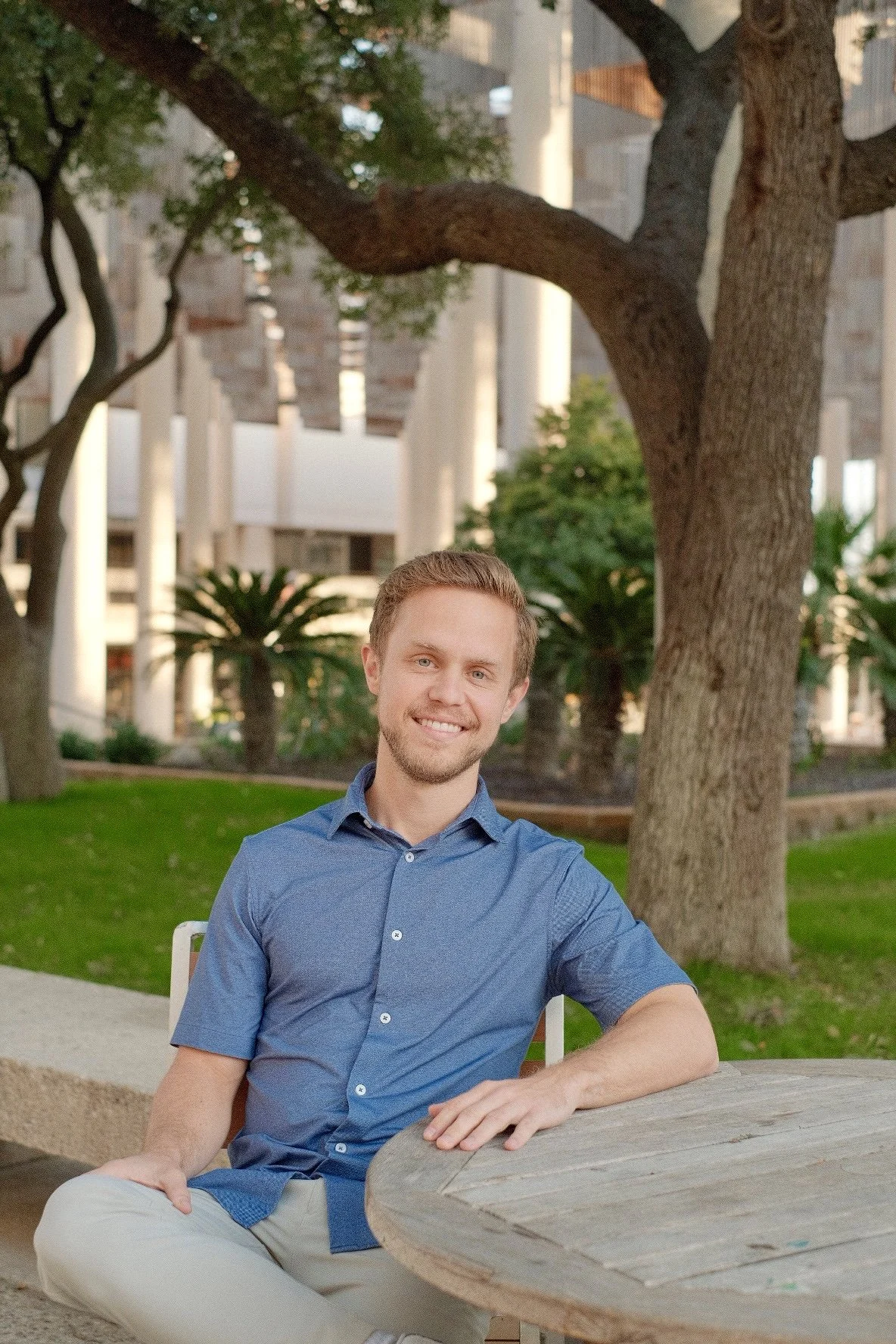
I spent most of my life struggling with OCD, anxiety, and depression. Not only did I spend hundreds of hours in therapy, but I also tried nearly everything I could find — exercise, medication, mindfulness, and more. Some things helped. Others made things worse. But nothing seemed to address what I felt was happening beneath the surface.
My OCD became particularly severe in my mid-twenties. At its worst, I was spending six to eight hours a day performing compulsions. I eventually had to leave my six-figure corporate finance position at Facebook because I could no longer function the way I once had.
In my desperation, I discovered Dr. Chris Palmer, a Harvard psychiatrist and leading figure in the emerging field of metabolic psychiatry. His work introduced me to a possibility I had never seriously considered: mental health and metabolic health are deeply connected.
While unemployed, figuring out why my brain wasn't working became my full-time job. For several months, I immersed myself in metabolic psychiatry, exploring ketogenic diets and other metabolic strategies. I then designed and implemented a clinical ketogenic diet for myself.
Six weeks later, something changed. For the first time since I was a boy, my mind became quiet. My compulsions became dramatically easier to resist. Over the following year, my symptoms continued to improve. As part of a case study examining my recovery from OCD with ketogenic therapy, I no longer met diagnostic criteria for OCD, anxiety, or depression.
That experience ultimately led me to create Recover With Tanner. I wanted to give others what I wish I had when I first discovered metabolic psychiatry: a knowledgeable guide, a supportive partner, and someone who understands what it's like to navigate mental illness from the inside.
I hold bachelor's degrees in Finance and Psychology from The University of Texas at Austin and a master's degree in Clinical Mental Health Counseling from The University of Texas at San Antonio. After working at a psychiatric hospital, I became even more convicted that metabolic health should be at the forefront — not the periphery — of how we understand and approach mental health.